 Mihai - Cristian Ioniță
Before we get to the sustainable alternatives, some of which are already available on the market, we must first understand what a lithium-ion battery is and how it works.
What are li-ion batteries
Lithium-ion (li-ion) batteries are one of the most widely-used batteries nowadays in applications such as consumer electronics (laptops, smartphones, wearables etc.) and even in the automotive and energy industries, for EVs, electric trucks and battery storage devices.
The reason is that they are lightweight and have some of the best energy densities on the market, meaning that pound for pound, they can store more energy than most other cells, which would need to be heavier and larger to achieve the same capacity as li-ion cells.
There are, however, several disadvantages when it comes to employing these batteries in modern devices, such as overheating, which leads to performance loss and in some cases even fire outbreaks, as well as durability issues.
If a li-ion battery gets physically abused, dropped or punctured for example, it will catch fire and even explode, while putting out such a fire is very difficult and implies special methods, such as using wet sand.
New battery technologies for the world of tomorrow
Because of these limitations and potential issues, the industry has been hard at work to deliver new battery technologies that could offer us safer, more efficient and planet-friendly battery cells that don't sacrifice performance or storage capabilities.
Iron flow batteries are one of the most recent innovations, that isn't even that recent, in fact. Developed sometimes in 1980, these cells use two liquid electrolytes made from iron salts dissolved in water and two separate tanks store the electrolytes. This means that, the larger the tanks, the more energy the battery is able to store.
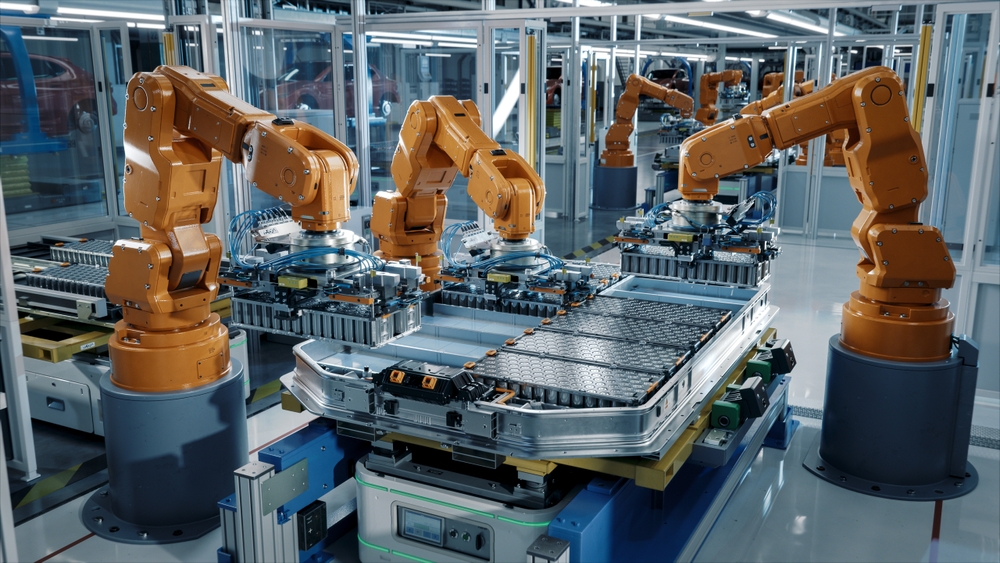
ESS is an Oregon-based startup that started pushing on this technology, which we wrote about, as well, and it collaborates with Schiphol Airport in the Netherlands to implement them for ground operations.
Compared to lithium-ion batteries, these can't age, because fresh electrolyte can be added when the old one is showing signs of ageing.
The materials that make these batteries are also cheaper, easily accessible and don't present an environmental risk nearly as big as li-ion cells.
The only issue is that they can only be used in stationary battery storage applications, since they are large and heavy, but maybe as technology evolves, so will the possibilities.
Still, the energy sector has a great alternative to store green power that we can use when the sun isn't shining or when the wind isn't blowing, so that we reduce our reliance on fossil fuels and adopt clean energy for good.
Sodium-ion batteries, lithium's close relative
Sodium-ion batteries are fairly similar to lithium-ion cells, in the way that they both use a liquid electrolyte, but the type of ions is the differentiating factor here.
The sodium used in sodium-ion batteries is around 500 times more abundant compared to lithium, it can be easily extracted and risk-free for that matter, while this type of batteries also use aluminum, instead of copper in li-ion cells, making them cheaper, overall.
Sodium batteries can also run at higher temperatures, making them safer to run in hot environments, but the main issues are an underdeveloped supply chain and production methods, leading to currently higher prices.
Hydrogen fuel cells, a different breed of battery
Hydrogen fuel cells are technically not batteries, but they are still zero-emissions power sources that produce electricity, so they can be considered similar, especially since they are already being used in industries such as the automotive one.
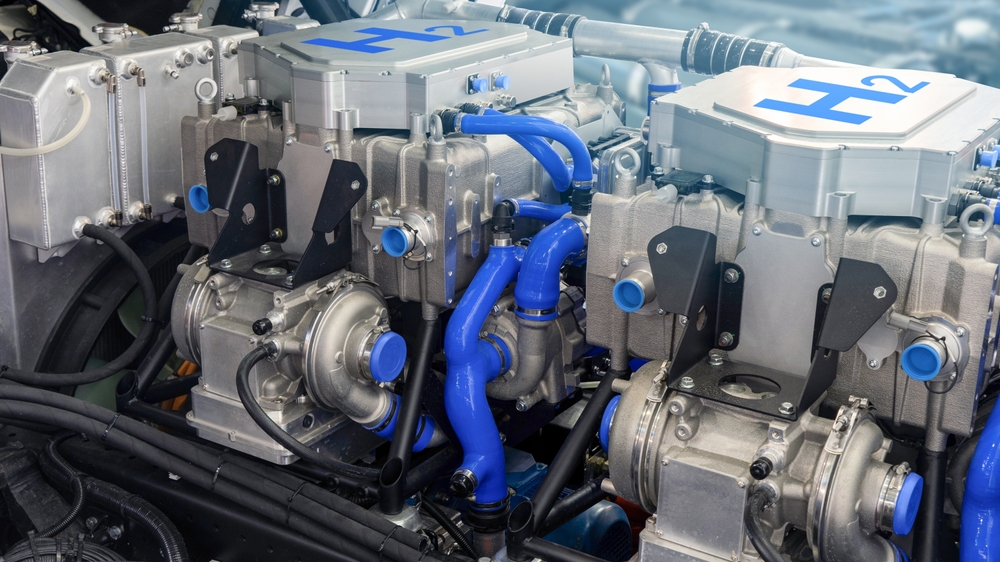
Hydrogen fuel cells use hydrogen as the primary fuel, as well as oxygen, to produce electricity, with the only byproduct being water vapors.
The technology advanced enough that they are safer than lithium-ion batteries, as hydrogen tanks are very durable and they have other advantages, such as the fact that they can be filled much quicker than a battery can be charged.
At the same time, hydrogen tanks don't lose capacity over time, as it is the case for li-ion batteries. The drawback is that the technology is still not widely adopted, as hydrogen stations need to be implemented, while the price of hydrogen can still be higher than electricity itself, not to mention that you won't have a fuel cell in your smartphone any time soon.
Graphene batteries, the science-fiction technology that's developed now
Graphene batteries are probably the newest and most expensive technology in this field, but also the most promising. Graphene is made of carbon atoms arranged in a two-dimensional form to resemble a honeycomb.
Despite being so thin that it's virtually transparent, graphene is considered stronger than diamonds and steel, while being a great conductor for electricity.
The main advantages of graphene compared to lithium-ion is that the former can charge faster, has more storage capacity, has higher efficiency and is lighter. The issues, as of right now, are the higher price and the inability to mass produce these cells.
Samsung is one of the companies that currently dedicates a lot of its resources towards the development of graphene batteries, while others, such as CellsX, are able to produce and deliver these cells to customers for testing purposes and improvements.
These are just some of the technologies that could allow us to power our devices and homes with clean power at any given time, while protecting the environment and our own well-being from the current hazards that come with using lithium-ion as the main energy storage solution.









Any thoughts?