 Mihai - Cristian Ioniță
Electrive reports that researchers plan to improve the lifespan and safety features of EV-grade batteries, focusing mainly on the lithium-ion chemistry. "These measures create a framework that enables more accurate prediction and control of battery health”, to “deliver higher performance, improved safety and longer battery cell life, resulting in overall optimal utilization of the battery system", researchers stated.
NEXTBMS aims to develop a new management system for batteries to extend the service life of these cells and reduce overall operational costs, while also making better use of available materials. Scientists say that "this benefits both the environment and end users."
Officials of the AIT said last year that they plan to improve battery manufacturing by bringing cobalt-free batteries on the market, while also analyzing the potential of this technology for the future of road and air transport. That project had the goal of developing a battery with an energy density of 390 Wh/kg and able to withstand 2.000 charge cycles.
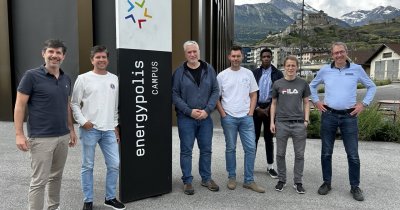
Photo source: AIT










Any thoughts?