 Mihai - Cristian Ioniță
Heatwaves can be defined as time frames when local heat accumulates in the form of excess heat that last a couple of days and nights and sometimes, it can amplify humidity, making it more difficult to breathe and to get through the climatic episode.
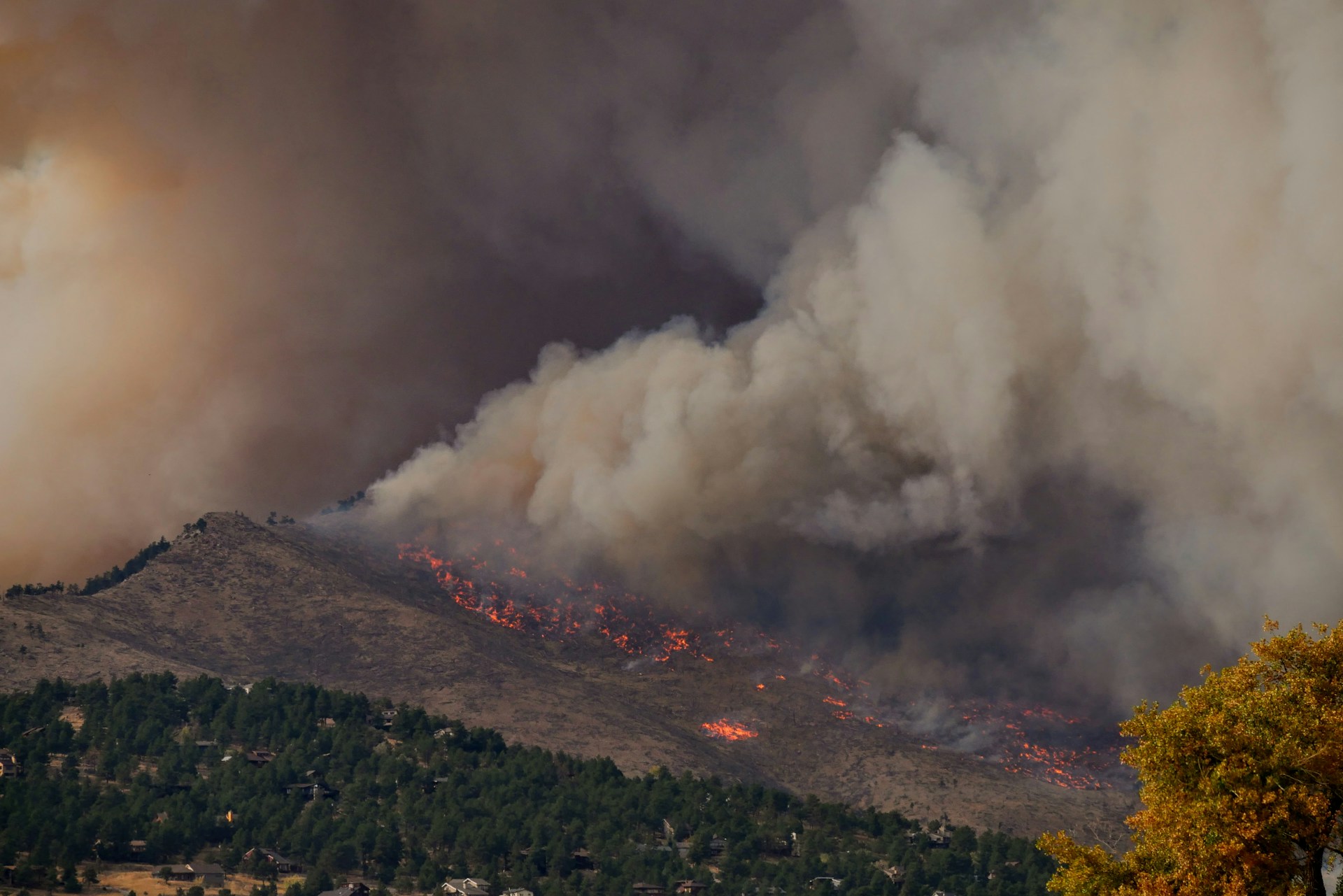
Heatwaves, despite not being as immediately destructive as other climate-related extreme phenomena, can have severe effects on the population and our health and wellbeing, the infrastructure and the industries even in just a couple of days. Some of the most dramatic effects of heatwaves are lower agricultural yields, increased number of wildfires, water shortages and heat-related deaths.
In extreme situations, heatwaves can last for weeks and even months and they don't happen only during summer, although the phenomena is more likely to happen during summertime, but at any given time when temperatures rise above the average for a number of days in a row, which is more often than not, these days.
How heatwaves form
Heatwaves are the result of hot air being trapped in a certain region for at least a number of days. This can happen if the air reaches a region where it's difficult to be pushed out of, due to certain elements, such as tall mountains surrounding the affected area or cold air currents pushing against the hot ones.
Heatwaves can be amplified if jet streams push the hot air downward, getting it closer to the ground and further increasing the temperatures in the process. Due to the fact that different air currents can't get in the affected area, lack of rain is another result of a heatwave being in force, as clouds can't form.
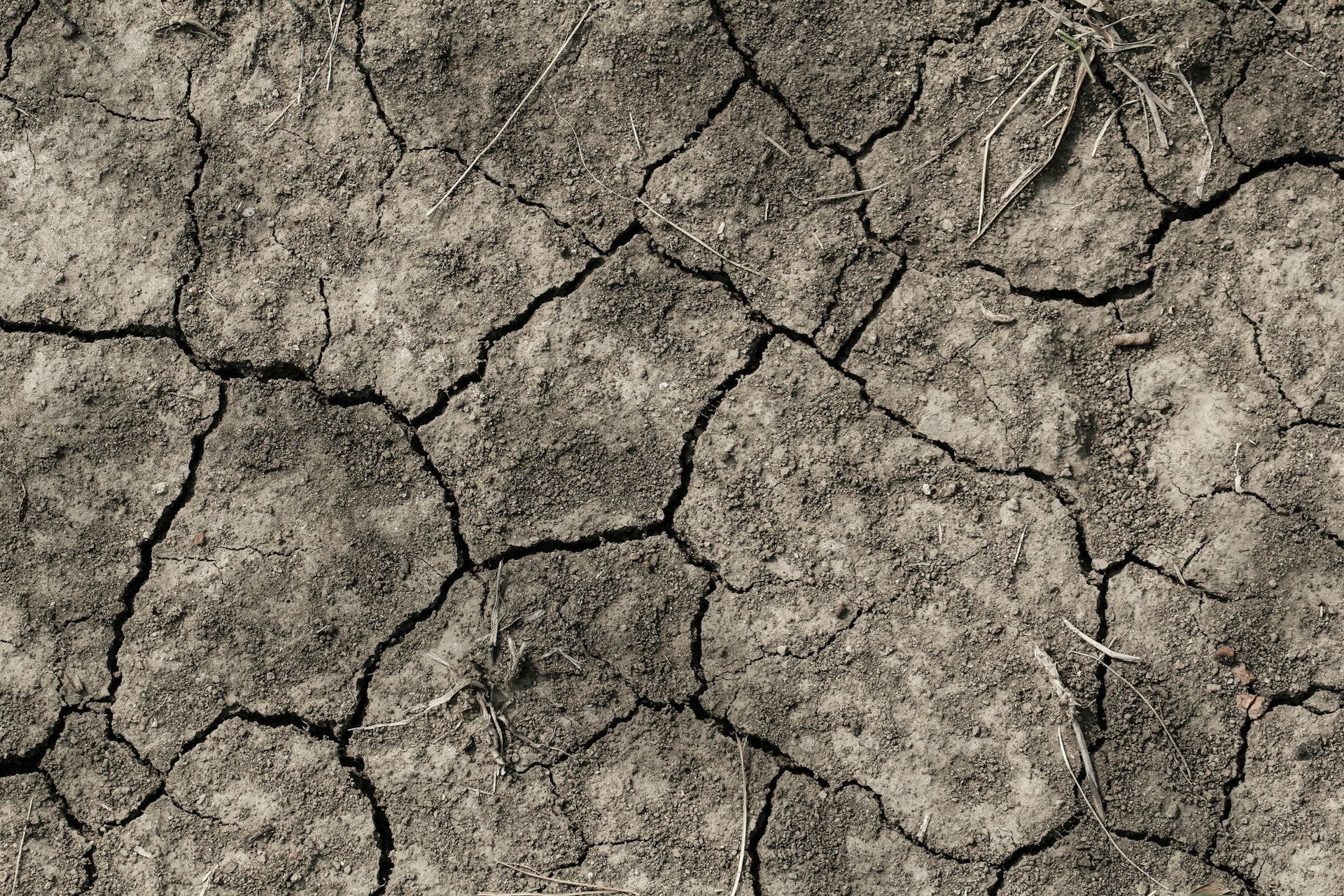
So, heatwaves are episodes when hot air is being trapped by high-pressure air that locks them in a certain spot, while pushing them down towards the ground.
One of the worst heatwaves recorded in modern history happened in China in 2022 and it lasted for 70 days and the extreme heat episodes from the same year in India and Pakistan were made 30 times more likely due to climate change.
Urban communities are also more likely to be affected by a heatwave than countryside residents, as the urban heat island effect traps even more heat, especially in ill-prepared cities that don't have a lot of trees to naturally fight these phenomena.
How can we protect ourselves from heatwaves
The best long-term solution to adapt to heatwaves and to mitigate their effects on our planet's climate is to regenerate urban green spaces. Planting more trees, expanding on our parks, gardens and creating green areas on our roofs is the best way to keep temperatures under control in case of a heatwave. Furthermore, these nature-based solutions provide shade from the sun, capture CO2 and give us oxygen, helping us breathe easier, not only during heatwaves.
Painting our buildings in light colors and using moisture-absorbing, reflective materials, such as limestone, can also have a great impact on our ability to withstand the effect of heatwaves inside and out on the street.
Reducing the number of cars roaming our streets also has a huge impact on lowering temperatures and spraying water helps pedestrians cool off, as well. Cities such as Tokyo started experimenting with artificial wind tunnels, which increase airflow in the hottest areas, while also providing cover from the sun.
There are also some myths about heatwaves that scientists explained, such as the fact that those cause earthquakes. The reality is that heatwaves don't cause earthquakes, but instead, they dry the land and can start wildfires.
Another myth is that heatwaves cause power outages, but this again is not true, as heatwaves themselves don't cause the power to go out. Instead, they can affect the infrastructure and can put a strain on power-generating resources, such as hydro power plants. Additionally, increased power demand from the use of air conditioning may break the grid's ability to provide enough power for everyone and will cause the power to go out.
If you must go out during a heatwave, make sure to wear lightly-colored clothes made from breathable materials, such as cotton or linen. Keep your head covered, preferably with a light straw hat, apply sunscreen and bring enough water with you. Dehydration and sunburns are your biggest enemies during heatwaves.



Any thoughts?