 Mihai - Cristian Ioniță
How glaciers are formed and what role do they serve in the macroclimate
Glaciers are being formed when the snow that falls in a certain region of the planet stays there for at least one year. Abundant snowfall in the next year and the ones after that accumulate as ice, if the temperatures are low enough. As over time snow continues to grow and compress itself, the shape of the snowflakes changes, so they contain less air and the snow hardens.
Glaciers, which can be found both in the Earth's North and South Pole, have a crucial role when it comes to the planet's climate. These ice sheets not only keep the temperature of the oceans under control, but they also help reflect solar light back in space, a process that helps keep global temperatures under control.
Glaciers also offer us another very important thing, which is the perspective on Earth's climate over hundreds and even thousands of years. The planet's current glaciers are aged between a couple of hundreds or even thousands of years, meaning that they can tell us a thing or two about how the planet's climate evolved over time.
Glaciers don't just flow in the oceans, they have formed on land, too, and about 10% of Earth's surface is covered in ice. Thus, around 90% of the planet's terrestrial glaciers are found in Antarctica, while the rest of 10% is in Greenland.
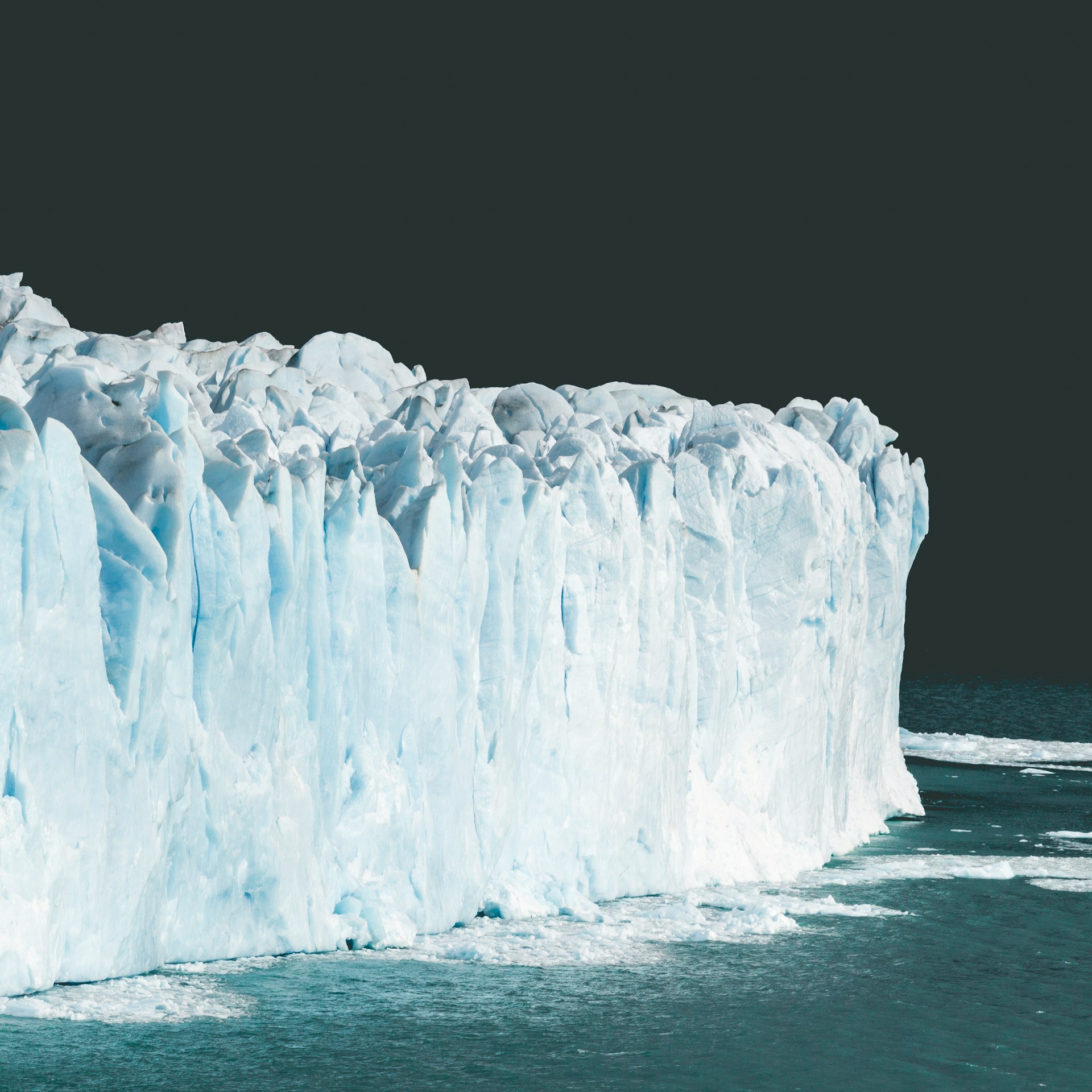
Technically speaking, if we are to be 100% correct, glaciers are those ice formations that accumulate on land, while sea ice is the one that forms in the oceans and the one that creates icebergs more often than not even though otherwise these formations are very similar.
The planet's glaciers currently cover an approximate surface of 700.000 square kilometers.
What causes glaciers to melt
There is one thing and one thing only that continues to determine the melting of glaciers and that's the rise of temperatures. And this cause was influenced itself by multiple factors, such as the rise in greenhouse gas emissions. Here we're talking about all those gases that cause the atmosphere to heat up and that trap the heat in the inferior part of the atmosphere, such as carbon dioxide or methane, which is significantly stronger from this standpoint.
Transport, deforestation and burning fossil fuels are just a few of the elements that contributed to the increase of the level of emissions in the atmosphere.
Even though a large portion of glaciers can be found on land, some of their surface reaches to the oceans and so, even the heating of the oceans, which capture around 90% of the planet's heat, contributes to the melting of the ice and the breaking of icebergs.
The global effects of melting glaciers
The melting of glaciers is an extreme weather phenomenon which can affect us on short, medium and long term. On the short term, the effects are mainly about the rise of sea levels and the movement of the oceanic currents. Basically, the melting of glaciers determines very cold water to find its way in the oceans, slowing the currents down, a process that affects the ecosystems that depend on mass migration.
Speaking of the aforementioned differences between glaciers and sea ice, these have different effects on the climate and the ecosystems. Thus, the melting of glaciers contributes to a rise in sea levels, while melting sea ice doesn't, because it determines a change in the shape of the water found in the oceans from solid to liquid. Still, melting sea ice affects the animals that count on solid surfaces to find their way from one place to another, such as the walrus or the polar bear.
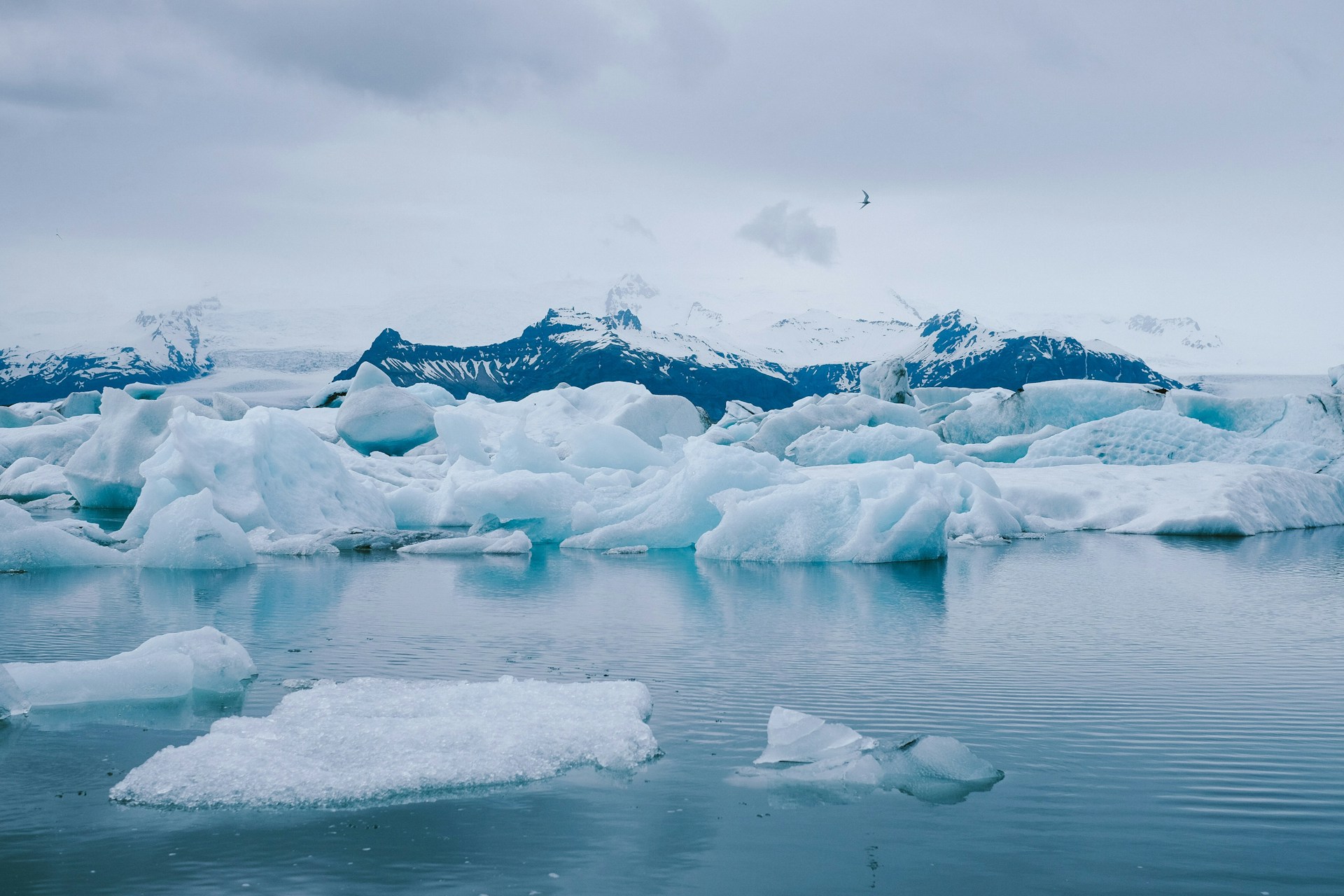
There are species of animals that live on glaciers, as well, and their melting will lead to the destruction of certain ecosystems, so the disappearance of some species. At the same time, melting glaciers could lead to the re-apparition of some forgotten diseases. Even though this problem is more about the permafrost, glaciers can still keep captive some diseases that have been gone for some hundreds, if not thousands of years and which can affect us in the future, if they find their way in the ecosystems.
Back to melting glaciers, these contribute, as wrote above, to the rise in sea levels, which in turn contributes to coastal erosion and the formation of more frequent and violent storms, such as typhoons and hurricanes. Experts at WWF say that currently, Greenland's ice sheet melts around 4 times faster than it did in 2003 and thus, it contributes to the sea level rises by around 20%.
If the emissions will continue to increase, the melting rate will continue to double by the end of the century and if all of Greenland's ice will melt, global sea levels will rise by over 6 meters.
How we can prevent the melting of glaciers
It's important to mention that we can't completely prevent the melting of glaciers, since this phenomenon is affected by external factors, which are beyond our control, such as the evolution of the climate itself, which follows its own cyclical logic. Still, there are a few things we can do to make sure we slow down the melting of glaciers and which can help us extend their lifespan so they can help us keep temperatures under control.
The easiest and most obvious way to do that is by cutting back on our carbon footprint and the levels of greenhouse gas emissions, which have a direct contribution to the melting of glaciers. We can consume less, start to save and buy only the things that we need and when we need them, slowing the process down.
The second step is to continue to adopt more and more renewable energy and also the circular economy, to keep existing materials in the economy for longer. If we prevent the exploitation of virgin resources and use those that we have access to already, we will be able to reduce our carbon footprint and slow down the rise of global temperature.
Protective glacier infrastructure could also be a solution and some researchers already proposed the buildout of a 100 meter-long dam in front of the Jakobshavn glacier in Greenland to slow down its erosion.
At the same time, for glaciers that sit in the water, other scientists proposed underwater walls that can support these natural formations and to prevent their breaking from the main sheet.
There are also startups that have a different approach and that want to regenerate glaciers sooner than they are able to melt. Arctic Reflections is one of those startups and we recently talked to its cofounder, Tom Meijeraan, to find out more about the process.

“We are on a mission to regenerate Arctic sea ice to restore its natural solar reflectivity and slow down further warming. The idea was derived from a technique the Dutch ‘ijsmeesters’ use to thicken the ice of ice-skating rinks on natural ice: applying small layers of water on the ice when temperatures are well below zero, so that the ice thickens quickly, allowing the skating rink to be used sooner", Tom explained to us.
He also said that melting Arctic sea ice will lead to extra warming, because the naturally white sea ice surface reflects up to 90% of incoming solar energy.
If we want to slow down the melting of glaciers and to protect ourselves from certain extreme weather events, these measures will help us, but in order to do that, we need to change our lifestyle and to realize that glaciers can be a distant threat to our well-being.



Any thoughts?