 Mihai - Cristian Ioniță
Trees capture carbon emissions similarly to plants, through photosynthesis. Their leaves feed off the CO2 in the atmosphere, storing these emissions until the tree dies and decomposes or is burnt. In exchange for carbon dioxide, trees offer us oxygen, among other benefits.
This is also how they help us fight climate change and keep the temperatures under control, while supporting healthy ecosystems for animals that depend on trees to feed, sleep or flee from predators.
How much carbon dioxide does a tree capture in a year
Generally speaking, a mature tree can capture about 22 kilograms of CO2 emissions in a year, but this depends on a variety of factors, such as its size, the species, its geographic position, as well as its age and health.
One of the most efficient trees at capturing carbon dioxide emissions is the Trembesi Tree or the Money-Pod Tree, found in Asia and South America. This tree has a large canopy, spanning about 30 meters on average and it also captures a lot of water, making it great for flood-prone areas, where it can help stabilize the ground.
In a year, the Monkey-Pod Tree can capture as much as 28.5 tons of carbon dioxide, making it one of the most effective trees at sequestering CO2, but the drawback is that it can grow only in a few places.
The Mahogany is a tree found in Central and South America, which can reach up to 35 meters in height, acting like a shading tree in its ecosystems, while also being great for storing groundwater. Additionally, the tree is fairly effective at capturing and storing CO2 emissions, up to almost 300 kilograms per year.
Red Oak is another tree that has the potential to capture significant amounts of emissions during long timespans. Native to North America, this tree can capture over 9 tons of carbon emissions over 20 years.
Sitka Spruce is a coniferous evergreen tree that is found in the Pacific Northwest region and it can capture as much as 34 tons of CO2 per 4.000 square meters every year.
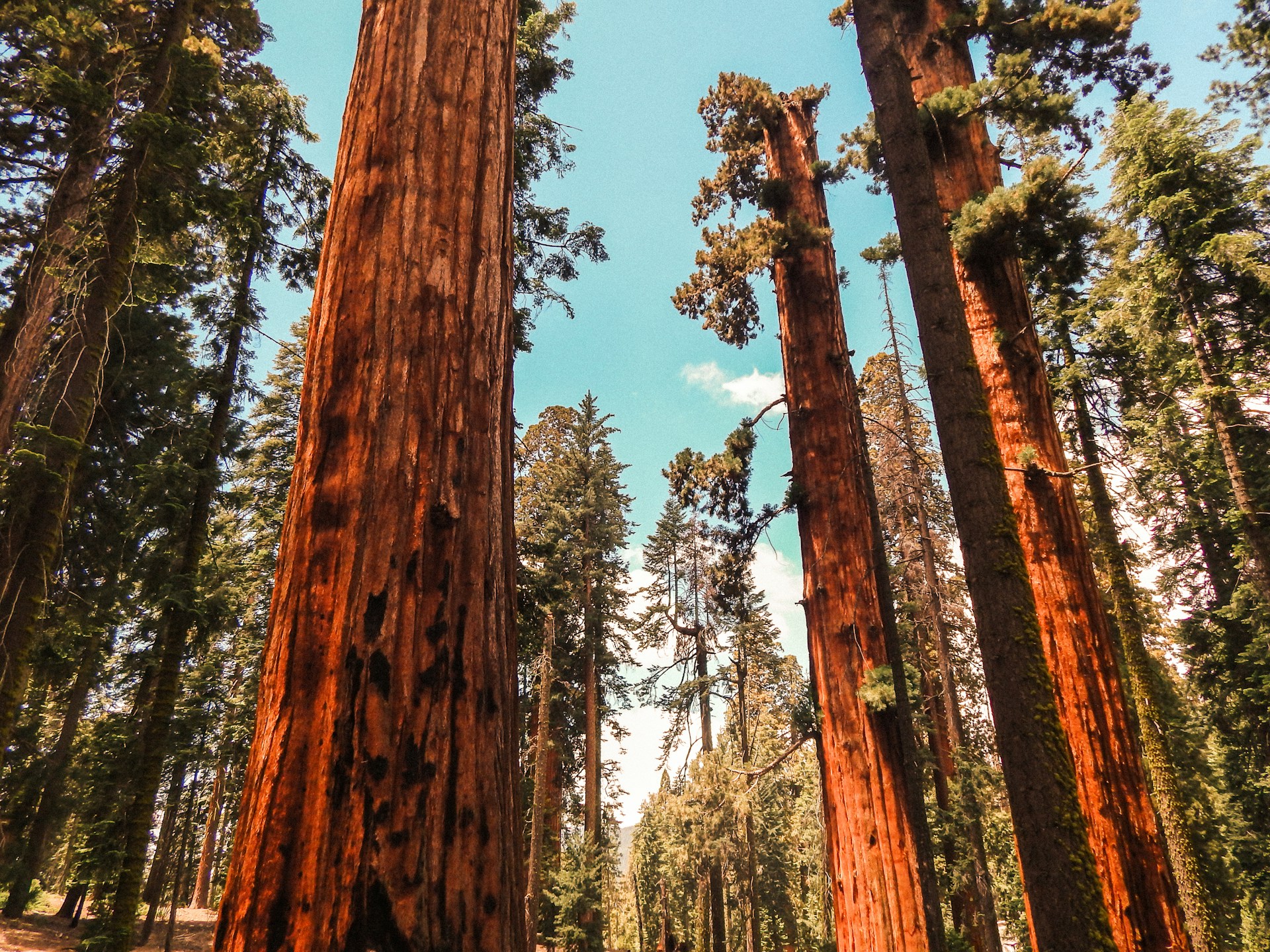
The Giant Sequoia, found in California, is one of the world's largest and longest-living trees, being able to capture over 3.000 tons of carbon emissions during its lifetime.
Preserving old forests is key
According to a study published in the journal "Nature", old forests provide a great carbon sink for the planet, which is why it is essential that we protect existing thriving forests. Scientists conducted studies across all continents and after analyzing over 673.000 individual trees over 400 species, they concluded that for 97% of them, their mass continued to increase every year, even after the tree reached an old age.
In fact, the older the tree was, the more carbon dioxide it fed off of in order to grow further. Forestry associations across the globe also agree that mature trees are able to capture significantly more CO2 compared to younger individuals, as their size limits the photosynthesis process.
But as a tree gets older, it will spend most of its energy trying to maintain the body mass it achieved so far, limiting the amount of new wood it is able to produce and, therefore, grow.
As far as softwood and hardwood trees, both types are equal when it comes to carbon capture, but do it differently. Softwood trees or coniferous species are fast-growing trees, turning captured CO2 as fast as possible into wood, whereas hardwoods, such as the oak, have a slower growth rate and will sequester small amounts of carbon dioxide in their first years. However, their advantage comes from the fact that they live much longer and are denser, meaning that long-term, they are just as efficient carbon sinks.
The key in achieving maximum carbon capture from a forest, while keeping the ecosystem healthy is to maintain a balance between young and old trees, as each of them have an important role to fill in nature. Also, it is important that a forest has more than one species of trees, since this will contribute to a greater resilience. More species of trees means that the forest will have a greater chance against pests, disease or bad weather.
Besides capturing and storing carbon emissions, trees have more benefits for us. They help stabilize our grounds and protect us against floodings and landslides, as well as providing shadow during hot days and they help cool down the air, fighting global warming in the process.



Any thoughts?