 Mihai - Cristian Ioniță
The first drum-driven washing machine was invented in 1851, but these appliances only started to become more common around households a century later. Still, here we are in 2024, when everyone has a washing machine and the technology evolved quick, offering us models that have digital panels, integrated driers and that can help us save on water at every washing cycle.
Obviously, these advancements complicate the recycling process a little bit, due to the fact that the device is more complicated, so it has a wider variety of components that need separate recycling.
What is the washing machine made from
Like many other appliances, washing machines are made from two main groups of materials, metals and plastics. The case and the drum are usually made from stainless steel, but some models might have a layer of porcelain applied on the drum to further prevent corrosion. The aluminum is also a common material for manufacturing the cases.
The buttons and the screen (for the more recent models) are made from plastic, which can also be found within the washing machine itself or in other components, such as the detergent drawer. The thick cable is made from copper, so that it can drive the high glow of current necessary for the washing machine's electric components and it is coated either with plastic or rubber for insulation.
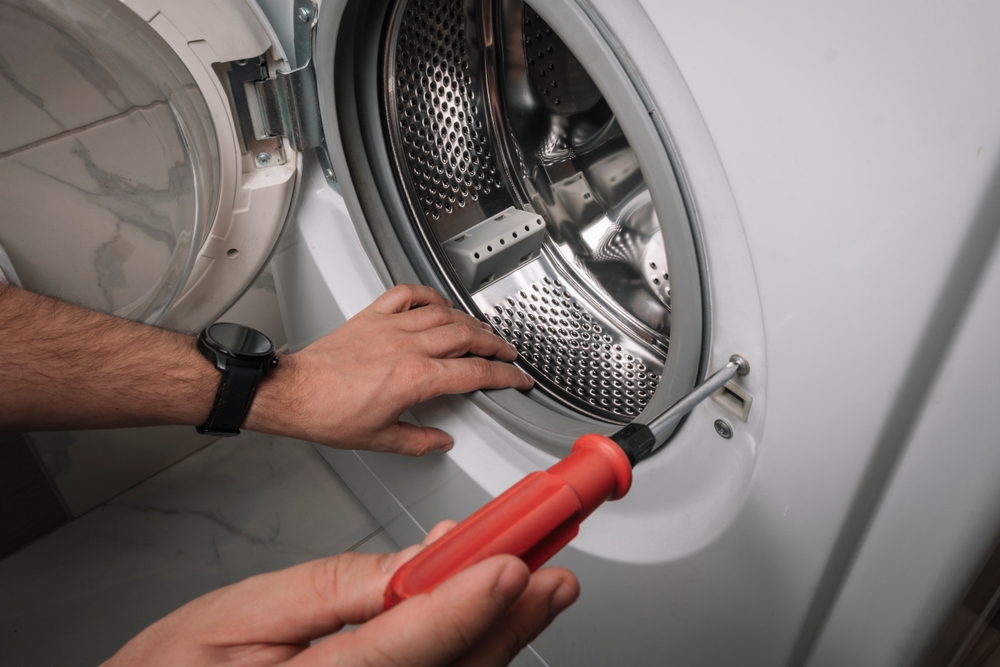
Then there's the motor that moves the drum and it contains a small amount of oil for lubrication. Depending on the washing machine model, it can come with a drive belt or a direct-drive system. Both have advantages and disadvantages, but in the case of models that come with a rubber drive belt, this is another component that needs replacing from time to time and needs to be recycled separately.
To prevent sudden movements during the washing cycles, a counterweight is required in every washing machine and that is found beneath the drum, helping it stabilize the device during use.
How is the washing machine recycled
The first and most important step, according to experts at GreenWEEE, one of Romania's main recycling companies, specialized in reprocessing electric and electronic equipment, is removing the counterweight, which is basically a large piece of cement. "After this is removed, the washing machine is introduced in a special industrial machine that can grind it into small pieces", they added.
Through this process, the different materials and components are being separated and this is also the most difficult step when recycling a washing machine, because this is the only way these materials can actually be recycled.
Even though they don't use dangerous refrigerant gases (in most cases) like refrigerators do, washing machines also have certain components that can present a danger to the environment, but these aren't the ones we might first think of. It's not the detergent residues that can cause problems for these devices, but the chemical substances in the condensers, the components that enable the engine to start spinning, or the lead in certain electronic components. Mishandling those can lead to leaks, which can seriously affect the local ecosystems, as we've been told by GreenWEEE.
I previously said that just in some cases washing machines come with refrigerant agents (freon). I was talking about models that have a drier incorporated, which use a heat pump "where freon or another type of refrigerant agent) is being used for the cycle of compression and expansion to transfer the heat inside the drum. In this case, the freon is extracted in an insulated environment, then the drier follows the same recycling process as the washing machine itself."
What can be made from a recycled washing machine
It's important to mention that 98% of the washing machines can be recycled and the other two percentage points are the dust and impurities that accumulate inside the recycling machine. Detergents and other cleaning agents don't represent a danger or an obstacle in the recycling process, so if we talk about models that don't incorporate a drier, their reprocessing is fairly straightforward.
The materials obtained from recycling are different and if we refer to the plastic alone, we can have multiple types chemically speaking, which can be suitable either for making bottles, furniture, but also coffee brewing machines, for example.
The metal components, as per GreenWEEE experts, can be used to manufacture metal chassis and the aluminum, for casing components, while the copper can be good for heating systems or sanitary installations.
Thus, having a lifecycle of around 11-14 years, a washing machine is a durable and indispensable appliance, and its recycling can be covered almost for the entire product, enabling us to manufacture new goods, while you can enjoy the latest innovations for cleaning your clothes.



Any thoughts?